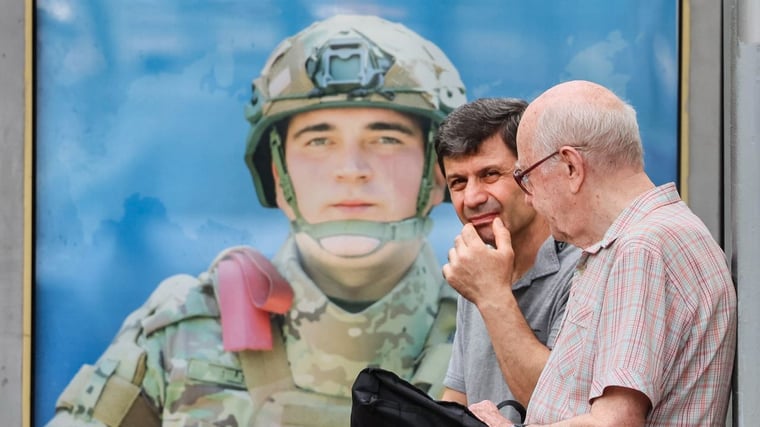
Russian regions raise military recruitment bonuses as enlistment falls

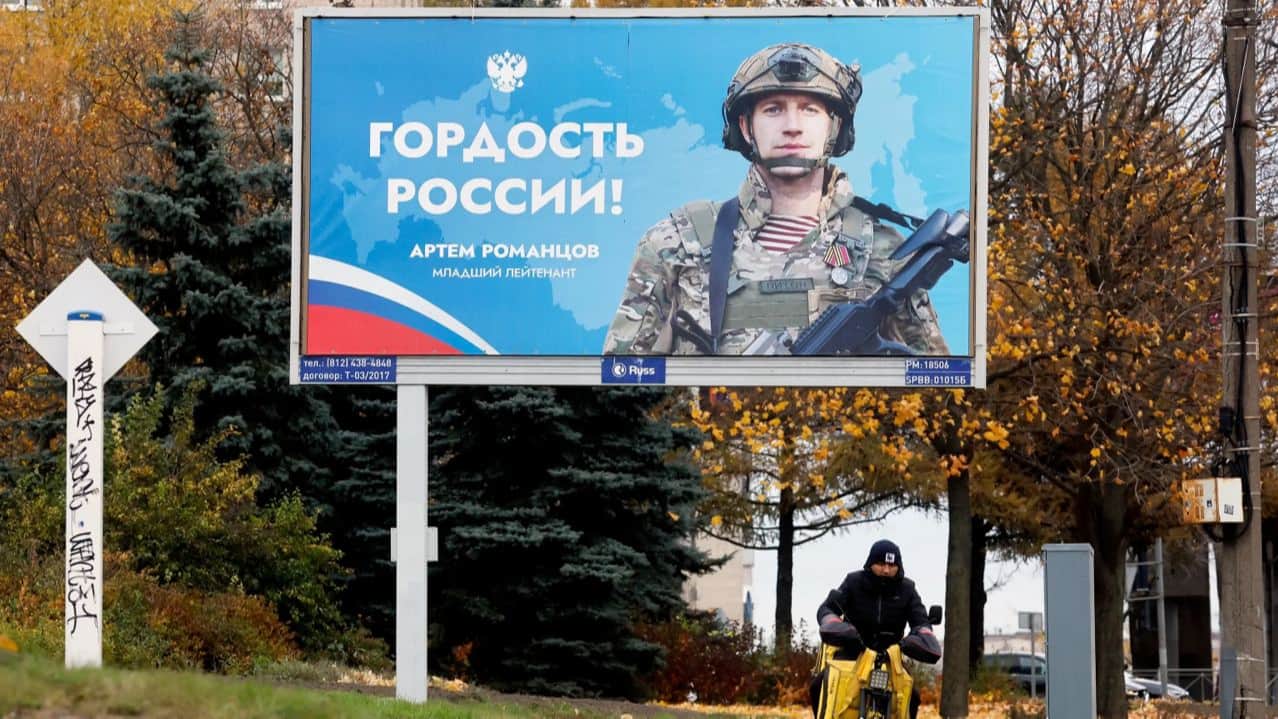
Several Russian regions raised one-time payments for signing Defence Ministry contracts in July, business daily Vedomosti reported on Wednesday. Some regions have also introduced new bonuses for recruiting others to enlist.
Dagestan, Karachay-Cherkessia and the Smolensk region were among those that increased payouts. Dagestan bumped its regional bonus to 2.7 million rubles (€29,500), bringing the total payout — combined with federal and municipal funds — to between 3.6 and 4.1 million rubles (€39,200–€44,700). Karachay-Cherkessia’s bonus rose from 2.4 million to 3.1 million rubles (€26,100–€33,800), while Smolensk’s climbed from 1.6 million to 2.1 million (€17,400–€22,900).
The Khanty-Mansi region now offers Russia's largest lump-sum payment for signing a contract, at 4.1 million rubles (€44,700), including contributions from the regional, federal, and municipal budgets. St. Petersburg previously topped the list with the same amount but has since cut its payment to 3.5 million rubles (€38,100).
Several regions have gone further, paying residents simply for helping recruit new contract soldiers. Bashkortostan and the Ivanovo, Saratov, Tver and Yaroslavl regions have all introduced such schemes. In the Kemerovo region, the rate is now 115,000 rubles (€1,250) per recruit. Security officers and military personnel were previously entitled to 92,000 rubles (€1,000), but on 27 July authorities equalized the payment across all categories at 115,000 rubles (€1,250). The offer runs through the end of 2026.
The bonus increases come as recruitment appears to be slowing. Around 200,000 people signed military contracts in the first half of 2026, down from more than 210,000 over the same period last year, according to former Russian President Dmitry Medvedev, meaning officially reported recruitment fell by at least 10,000 people, or roughly 5%. In the first quarter of the year, federal signing bonuses were paid to 71,200 new contract soldiers, the lowest quarterly figure in three years, economist Janis Kluge has reported. Figures for the second quarter have not yet been released.