Russia’s military recruitment rate fell to three-year low in first quarter of 2026

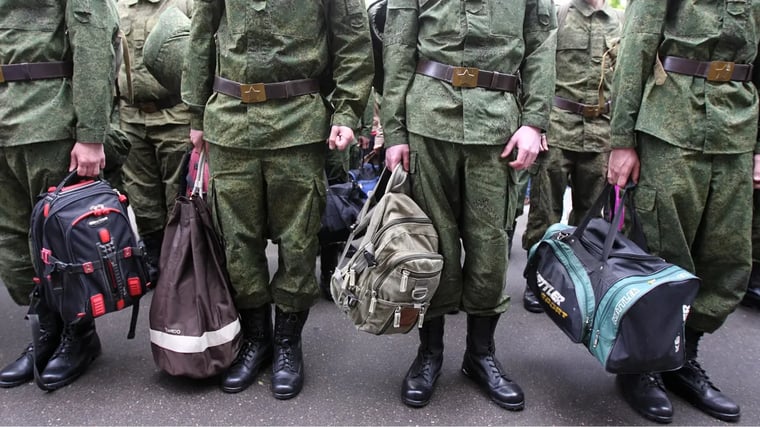
In the first three months of 2026, Russian federal authorities paid enlistment bonuses to 71,200 new contract soldiers — the lowest figure for this period in three years. According to German economist Janis Kluge, recruitment slowed to roughly 800 sign-ups per day in the period from January to March.
Kluge based his estimate on Russian Finance Ministry data on federal budget expenditures. Some 28.5 billion rubles were spent on one-time enlistment payments in the first quarter. At the standard federal bonus of 400,000 rubles per contract, that works out to 71,216 new recruits.
This figure falls short of both the 89,600 who received bonuses in the same period in 2025 and the 73,400 contracts recorded in the first quarter of 2024.
By the second quarter of 2026, recruitment data appeared to stabilise again at around 1,000 contracts per day, or roughly 30,000 per month, according to regional data. Kluge notes a persistent gap between official statements and budget figures: in late April, Dmitry Medvedev claimed 127,000 new contract soldiers had signed up since the start of the year.
The slowdown is not necessarily evidence that the Russian military is running short of manpower. Kluge considers recruitment difficulties the more plausible explanation: average regional signing bonuses continue to climb and stand at record highs, while reports of pressure to meet recruitment quotas keep emerging from across the country.
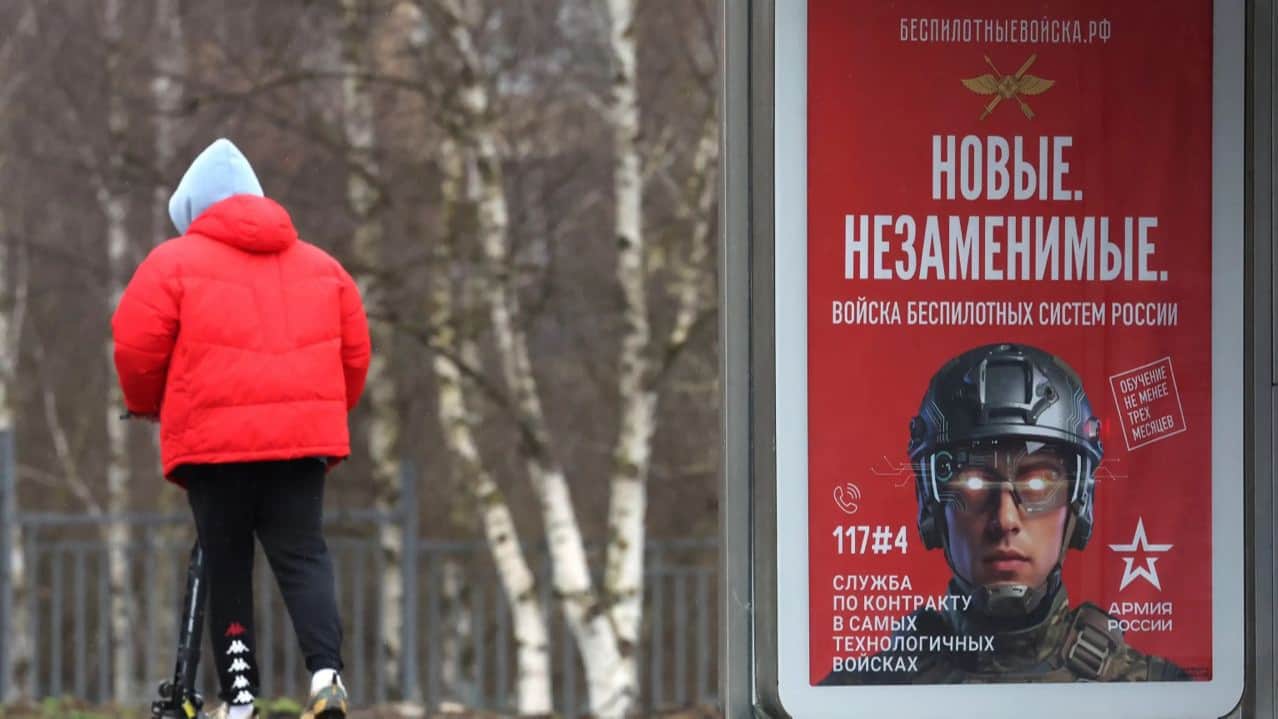
Ivan Chuvilyaev, a spokesperson for the project Get Lost, which helps Russian men avoid or escape military service, told Novaya Europe that human rights monitors have seen no let-up in pressure on students to enlist. Recruitment attempts remain frequent, he said, particularly among those being pressured by their universities or employers to sign up. They also have information on around 1,000 students from Siberia, the Urals, and the Volga region who may have enlisted in the country’s drone forces, though more detailed data on students who signed contracts and ended up at the front remains unavailable.
Novaya Gazeta Europe military analyst Ilya Volzhsky notes that fluctuations in Russian contract recruitment are nothing new. The highest surge in enlistment came after Donald Trump’s inauguration, when many Russians likely concluded the war would soon be over and rushed to pocket the signing bonuses.
“On the front line, these fluctuations haven’t proved decisive so far. The Russian army is still trying to advance, though without success,” Volzhsky said.
“Ukraine’s use of kill-zone tactics has proven highly effective,” he added. “The majority of Russian assault troops are being killed during infiltration attempts. Analysts believe that without new methods of attack, Russian forces will remain bogged down in Ukrainian defences even if large-scale reinforcements arrive.”