Local and regional elections have been taking place across Russia since Friday, amid widespread popular apathy. Novaya Gazeta Europe editor-in-chief Kirill Martynov argues that despite there being no chance of a fair contest, Russians can still use their vote to send a message to the Kremlin.
The candidates fielded by the main political parties for Moscow’s mayoralty vied to see who among them was the most adept at avoiding reality, each one essentially a clone of Sobyanin himself.
Leonid Zyuganov, the candidate of the Communist Party and the grandson of its leader, pledged to repurpose the capital’s industrial zones if he won, though his campaign slogan “Return our future” could be taken to imply that someone has stolen it.
The candidate of the For a Just Russia party, Dmitry Gusev, chose to feed off the electorate’s fear of immigrants by promising to crack down on what he termed “ethnic crime.” Boris Chernyshov, a protégé of the late ultra-nationalist politician Vladimir Zhirinovksy, barely even stands out in such company.
Vladislav Davankov of the New People party hopes to win over female voters with his “million IT-girls” policy, which would teach women the basics of computer programming and artificial intelligence. Under other circumstances, such an initiative might almost be considered progressive, but female voters are far more likely to be wondering why there aren’t any anti-war candidates than why there are no women on the ballot.
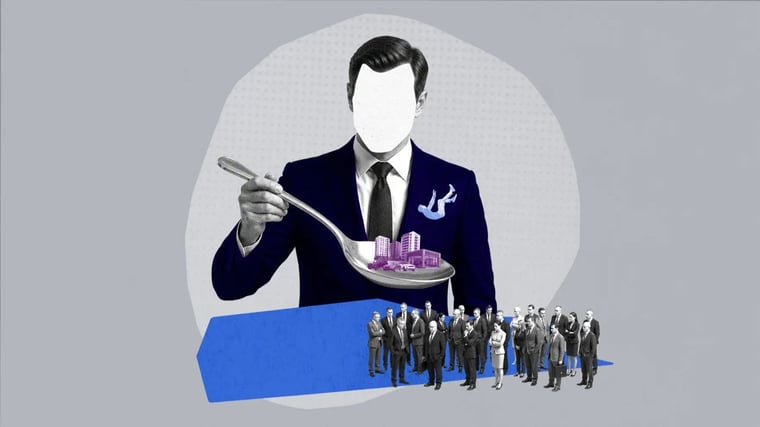
The mayoral candidates’ rhetoric revolves around local issues that Muscovites care about, but that belies the fact that the mayor of Moscow isn’t a local official in any sense: the post is these days seen as a key position in the federal political system.
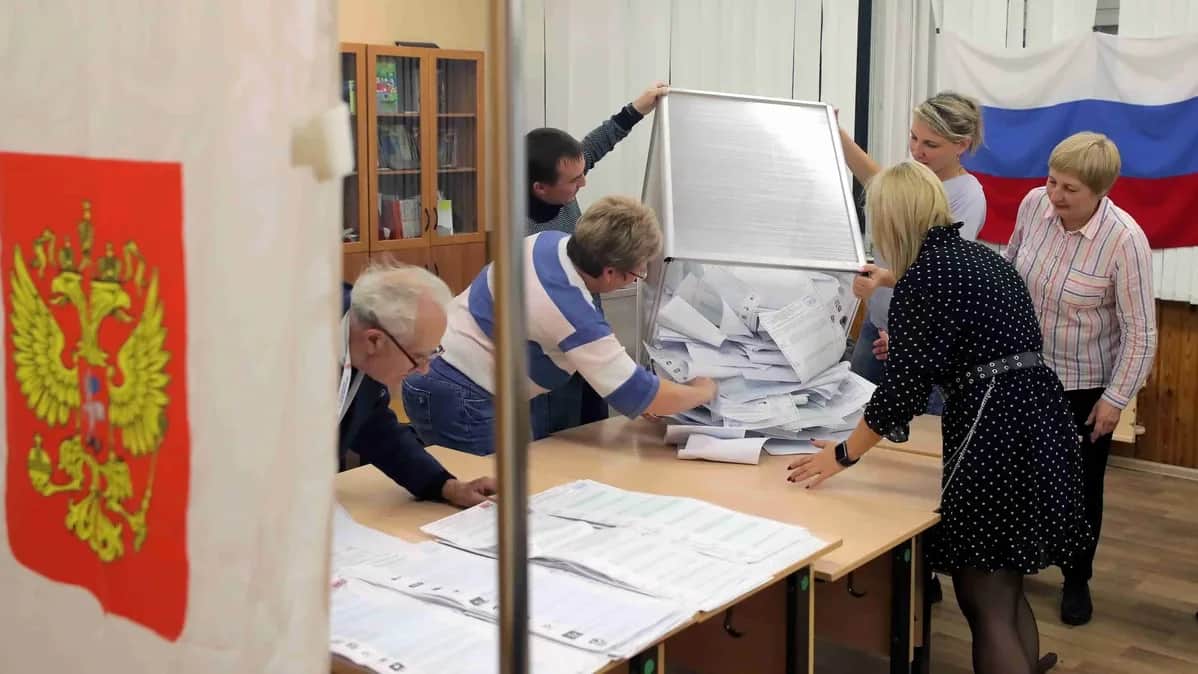
Emotionally, it’s easy to understand the appeal of boycotting these “elections”, especially given the prevalence of electronic voting machines. These so-called ‘black boxes’ allow Russia’s intelligence services limitless opportunities to tamper with the ballot, as Novaya Gazeta revealed in a series of investigations in autumn 2021. Lest we forget, these are the very machines that prevented independent candidates from winning any seats in the last elections to the Moscow Duma.
The war itself is being co-opted to further corrupt the electoral system, with sham elections being held in the four occupied Ukrainian territories that Russia claims to have absorbed into its territory, where all Russia’s sanctioned opposition parties have fielded candidates.
The rights of journalists and election observers have been dramatically reduced at this election, as Russian democracy becomes more a spectacle of support for Putin than an attempt to convince citizens that they chose their own government.
Nevertheless, any vote cast (and counted) against pro-government candidates — in any election at any level, anywhere in Russia — is a legal and safe way for Russians to demonstrate their anti-war stance.